A child can brush carefully twice a day and still have deep, narrow grooves in their back teeth that a toothbrush cannot properly reach. This is where fissure sealants for children’s teeth can make a meaningful difference. They are a simple preventive treatment designed to protect vulnerable chewing surfaces before decay has a chance to begin.
For many families, the idea of dental treatment sounds daunting. A fissure sealant appointment is usually quick, comfortable and non-invasive. There are no needles or drilling when the tooth is healthy and suitable for sealing – just a protective coating placed into the natural grooves of the tooth.
Why new molars need extra protection
Permanent molars usually arrive around age six, with another set often erupting around age 12. Because they appear at the very back of the mouth, children can find them difficult to clean well at first. Their chewing surfaces are not flat either. They have tiny pits and fissures that can trap food, plaque and bacteria.
Even a good toothbrush may not reach the base of particularly deep fissures. Over time, acids produced by bacteria can weaken the enamel and create a cavity. A sealant acts as a barrier over those grooves, making the surface smoother and easier to keep clean.
This does not mean every child needs every molar sealed. Your dentist will look at the shape of the tooth, how well your child can clean it, their diet, fluoride exposure and past history of tooth decay. Children who have already had decay in baby teeth, for example, may benefit from closer preventive planning as their adult teeth come through.
What are fissure sealants for children’s teeth?
A fissure sealant is a thin, tooth-coloured or clear resin coating applied to the chewing surface of a molar. It flows into the small grooves of the tooth and is set with a curing light. Once in place, it helps stop food and bacteria from settling in the areas that are hardest to brush.
Sealants protect the top surface of the tooth only. They do not replace brushing, flossing where teeth touch, fluoride toothpaste, a balanced diet or regular dental examinations. Think of them as one helpful layer in your child’s overall prevention plan, rather than a substitute for daily care.
The treatment is most useful when a permanent molar has fully or mostly erupted and is still free from decay. Sealing a tooth early can be far simpler than waiting until a small problem requires a filling.
What happens at a sealant appointment?
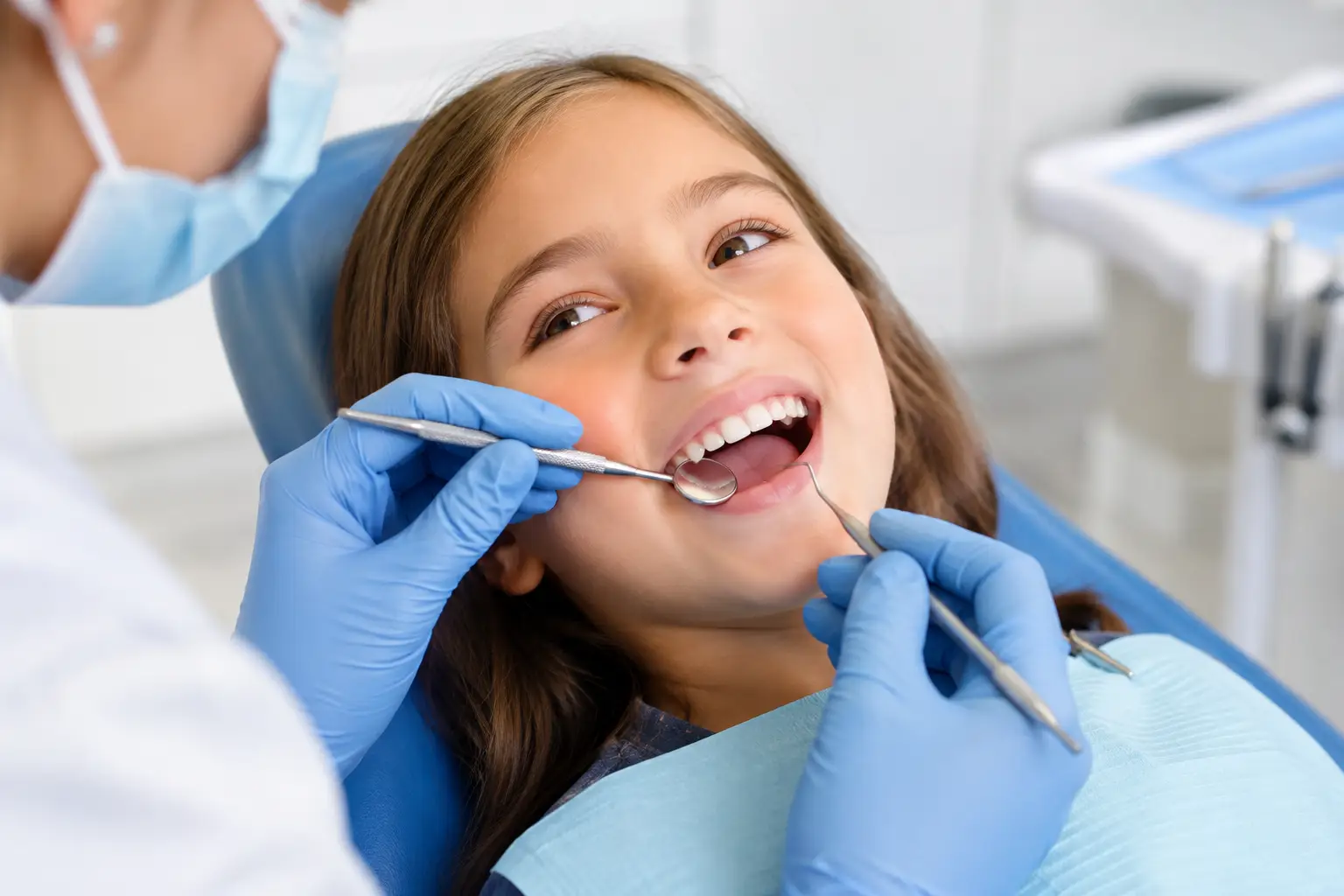
The process is designed to be gentle and straightforward, which can be reassuring for children who are new to dental visits or feel unsure in the chair. Your dentist or hygienist will first examine the tooth to make sure it is appropriate for a sealant. Sometimes X-rays are recommended to check for decay between teeth or beneath the surface, particularly where there is a concern that cannot be seen during the examination.
The tooth is cleaned and kept dry. A conditioning gel is then placed on the chewing surface briefly so the sealant can bond securely. After the gel is rinsed away and the tooth is dried again, the liquid sealant is painted into the grooves and hardened with a blue curing light.
Your child can usually eat and drink normally straight after the appointment. They may notice nothing at all, or briefly feel that the tooth surface is smoother than before. There is generally no recovery time and no numbing required.
When might a sealant not be the right choice?
Fissure sealants are preventive treatment, not a way to cover over established decay. If a cavity is already present, the dentist may recommend a filling or another suitable restoration instead. This is why an examination matters before treatment.
Sealants may also be less useful on a tooth with shallow, easy-to-clean grooves and a very low risk of decay. In some cases, a partially erupted molar cannot yet be kept dry enough for a reliable sealant bond. Your dentist may recommend waiting until more of the tooth has come through, while helping you manage cleaning around it in the meantime.
The best option depends on your child’s mouth, habits and risk factors. A personalised recommendation is more valuable than treating every tooth the same way.
How long do fissure sealants last?
Sealants can last for years, but they are not necessarily permanent. Normal chewing, sticky foods and tooth wear can gradually chip or wear down parts of the coating. A sealant can also lose its bond at the edge, which is why it should be checked at routine dental visits.
If a sealant is partly worn or missing, it can often be repaired or replaced quickly. This ongoing review is a key part of keeping the protection effective. It also gives your dental team the chance to spot any changes early, when treatment is usually simpler and more comfortable.
Families sometimes worry that a sealed tooth can hide decay. When sealants are placed correctly and reviewed regularly, they are considered a well-established preventive option. The important point is to continue attending examinations rather than assuming a sealed tooth needs no further care.
Helping your child get the most from a sealant
A sealant works best alongside familiar daily routines. Brush twice a day using a pea-sized amount of fluoride toothpaste for children aged six and over, or the amount advised by your dental professional for younger children. Encourage brushing for two minutes and give younger children a helping hand, especially when cleaning those hard-to-reach back teeth.
Frequent sugary snacks, sweet drinks and grazing can increase the risk of decay, even with sealants in place. Water is the best everyday drink, and saving sugary foods for mealtimes can be kinder to teeth than having small amounts throughout the day.
Regular check-ups help children become comfortable with preventive care before they ever need more involved treatment. A calm, positive appointment can build confidence that carries through to adolescence and adulthood.
Cost, CDBS and planning ahead
The cost of sealants can vary depending on the number of teeth being treated and your child’s individual needs. If your child is eligible for the Child Dental Benefits Schedule, certain dental services may be available through the scheme, subject to eligibility, remaining balance and Medicare rules at the time of treatment. Your clinic can help explain the likely costs before proceeding, so there are no surprises.
At Smile District Dental, we believe parents should have clear information and time to ask questions. Whether your child is due for their first adult molars, has a history of cavities or simply needs a routine check-up, a tailored preventive plan can help protect their smile with confidence.
If you have noticed new back teeth coming through, booking an examination now gives your child the best chance to protect them while they are healthy – with gentle care, clear advice and a plan that feels manageable for your family.