
Your All-on-4 Smile Journey
All Health Funds
Welcome
On-the-Spot
Claiming Where Available
South Windsor
627A George Street
Understanding Your All-on-4 Treatment Journey
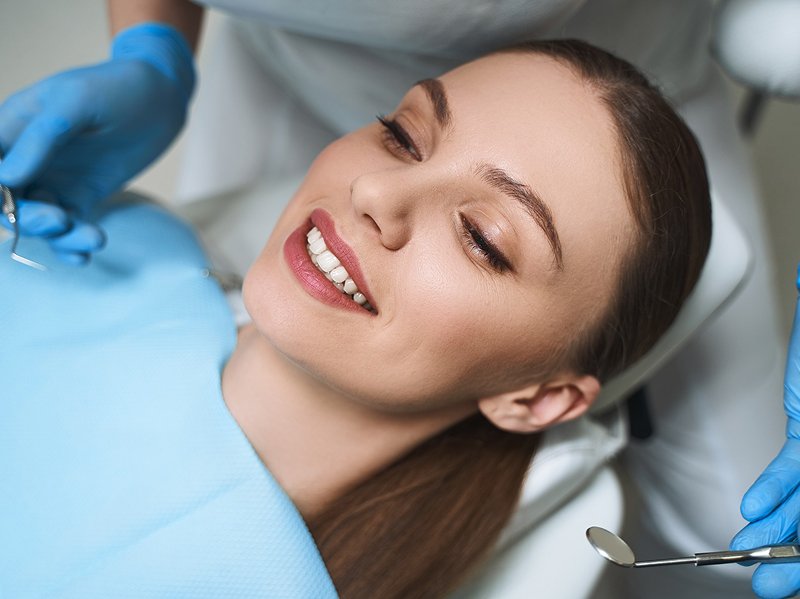
Your Treatment Journey, Step by Step
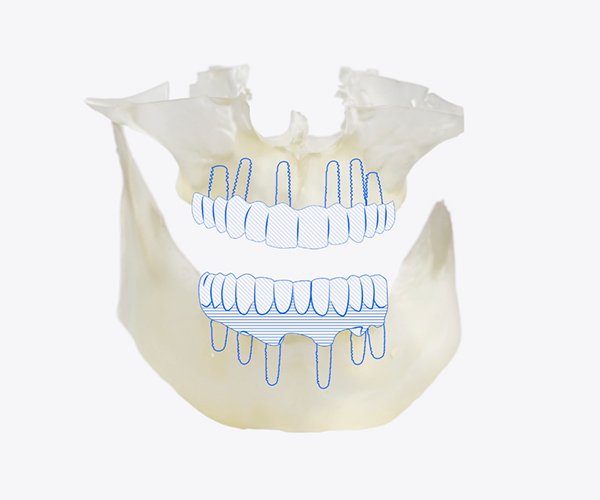
Every treatment journey is carefully structured to suit your individual needs. It begins with an initial assessment and continues through implant placement, recovery, and the final laboratory stage. Where factors such as bone loss, infection, or previous dental treatment are present, additional planning may be required.
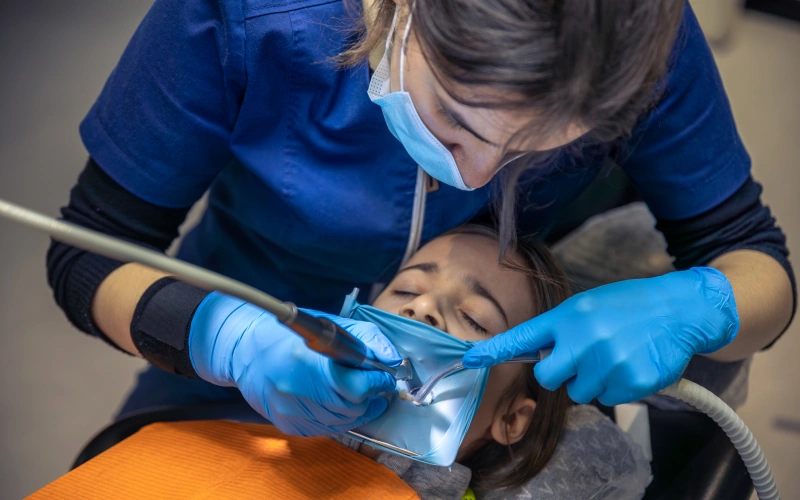
Initial Smile Consultation & Treatment Planning
Your first visit is about understanding your dental needs and determining whether treatment is right for you.
This includes:
- Whether All-on-4 is a suitable option
- The number of implants you may need
- Whether any additional treatment may be required
- The planned treatment stages and recovery period
More detailed planning may be needed in cases involving bone loss, infection, or previous dental treatment.
Your All-on-4 Treatment Day
For suitable patients, the surgical procedure is usually completed within a single day.
Treatment may involve:
- Local anaesthetic with IV sedation
- Removal of teeth that cannot be retained, where necessary
- Treatment of any existing infection
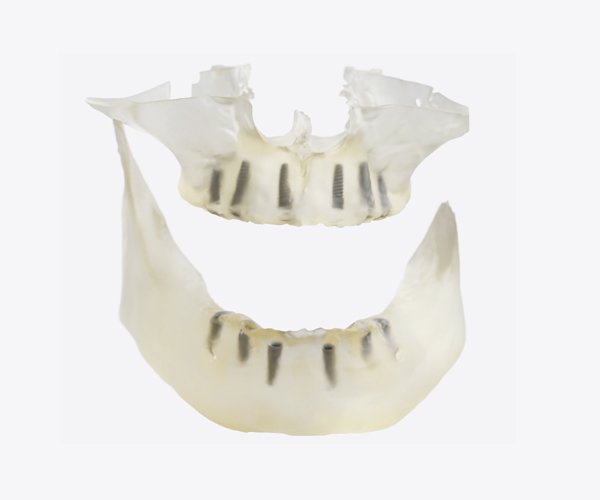
- Placement of dental implants in the upper and/or lower jaw
Before leaving the clinic, you will receive clear, personalised instructions to help support your recovery.
Temporary Teeth During Early Recovery
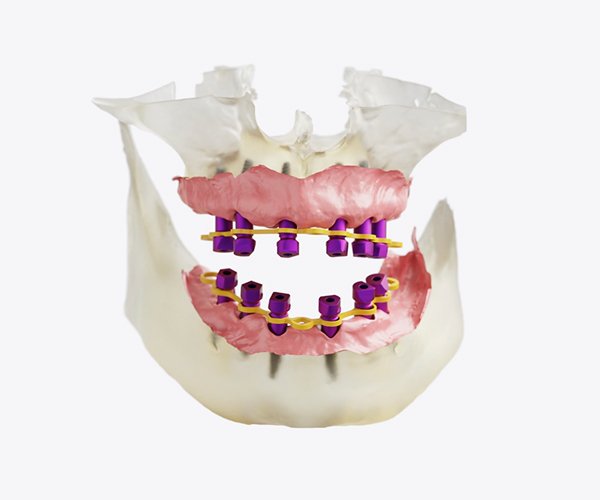
A key benefit of All-on-4 treatment is that many patients can receive a temporary fixed set of teeth soon after their implants are placed.
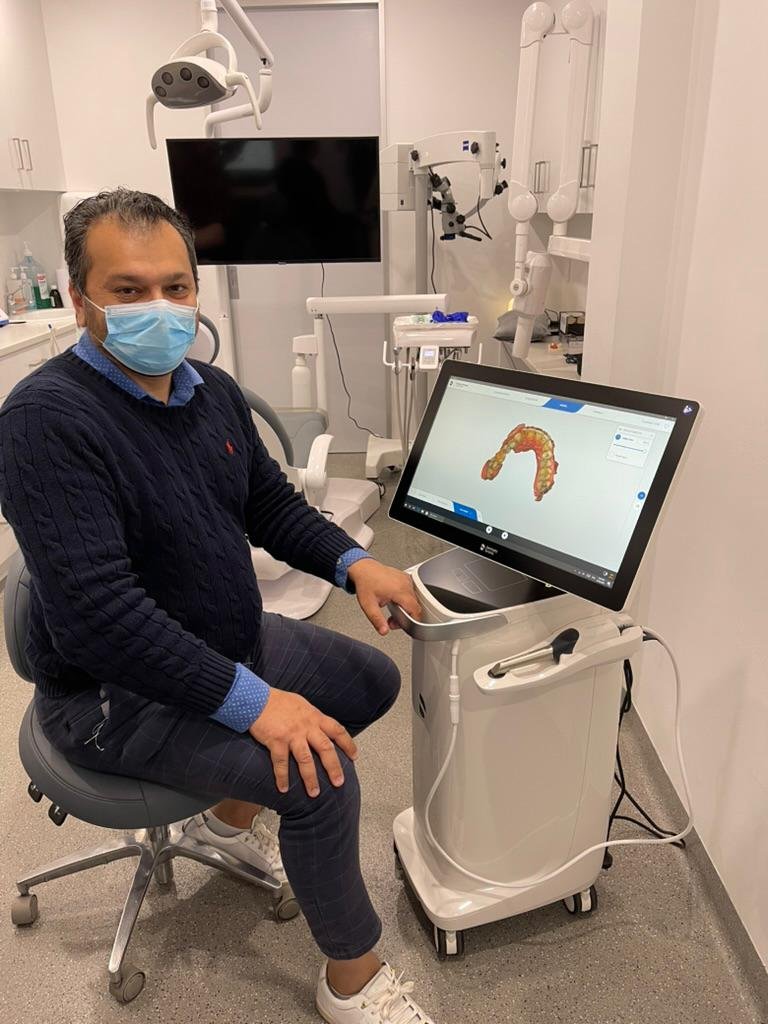
Following surgery, digital scans are taken and used to create your temporary teeth, which are generally fitted within 24 hours.
- Restore your smile while you heal
- Support speaking and everyday function
- Provide protection for the implants during healing
Your temporary teeth are not the final restoration and may have some functional limitations during this period.
Healing, Recovery & Follow-Up
During the healing period, regular check-ups are carried out to monitor:
- How the implants are integrating
- Gum and tissue healing
- Bite and alignment
- Overall comfort and appearance
Your feedback on the shape of the teeth, speech, comfort, and appearance can also help with planning the final prosthesis.
Follow-up timing may vary depending on your individual recovery and healing progress.
Your Final Teeth
- The temporary teeth are removed
- Final scans and impressions are taken
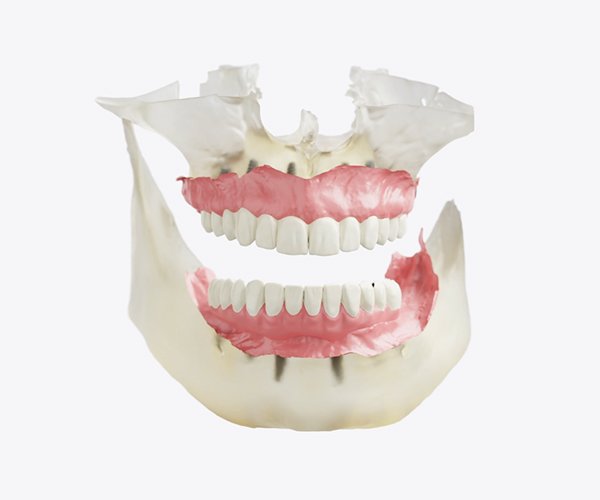
- Your permanent teeth are fitted
- Long-term care and maintenance are explained
Healing times differ between patients, and the upper and lower arches may heal and progress at different rates.
Recovery After Treatment
- Temporary teeth are fitted before you leave, along with detailed aftercare guidance
- Numbness gradually fades as the anaesthetic wears off
- Swelling may start, with mild to moderate discomfort
- Rest well, use ice packs, stay hydrated, and take prescribed medication as directed
- Swelling and bruising may peak around days 2–3
- Bruising usually settles within 1–2 weeks
- Continue with soft foods
- Desk work may be possible after 5–7 days
- Most visible healing begins to settle
- Swelling continues to reduce and energy improves
- Discomfort is usually minimal
- Continue avoiding hard, crunchy, or chewy foods
- Implants continue bonding with the jawbone
- Healing continues beneath the surface
- Temporary teeth remain fitted during this stage
- Good oral hygiene and careful eating remain important
- Once healing is confirmed, planning for your final teeth begins
- Final scans, impressions, and bite checks are completed
- Any necessary smile adjustments are made
- Your final teeth are then fitted
Private health insurance
All Australian Health Funds Welcome
Bupa
Medibank
HCF
nib
ahm
Australian Unity
HBF
CBHS
Defence Health
Teachers Health
Peoplecare
GMHBA
Long-Term Implant Care
Dental implants are placed within living tissue, so they can still be affected by biological complications. Maintaining good long-term results depends on consistent daily oral care at home, along with regular professional check-ups and monitoring.
Daily Oral Hygiene at Home
A thorough daily cleaning routine is essential to help prevent bacteria from building up around and beneath the bridge:
- Brushing: Clean your teeth twice a day using a soft-bristled toothbrush or an electric toothbrush.
- Interdental Cleaning: Use a water flosser and suitable interdental brushes each day to clean effectively underneath the bridge.

Ongoing Professional Care
Regular check-ups are generally advised every 6–12 months, depending on your individual needs and risk factors. During these visits, your clinician will:
- Check implant health: Assess the stability of the implants and the condition of the surrounding gums and soft tissues.
- Inspect your prosthesis: Look for signs of wear, small fractures, or changes in your bite alignment.
- Provide professional cleaning: Remove plaque and tartar that may be difficult to clear with daily home care.
Disclaimer: Poor oral hygiene may increase the risk of peri-implantitis, an inflammatory condition that can cause gradual bone loss around dental implants. Without appropriate treatment, this condition may eventually result in implant failure. Early peri-implantitis may not cause noticeable symptoms, making regular dental examinations and diagnostic X-rays important for early detection.
Support Throughout Your Journey
Personalised guidance, continued care, and support whenever you need it at every stage of your treatment.
Signs That Require Attention
Get in touch with our team promptly if you notice:
- Severe or increasing pain that is not relieved by prescribed medication after the first 3 days
- New or worsening facial swelling or redness after day 4
- Ongoing unpleasant taste, discharge, fever, or chills
- Heavy or persistent bleeding that does not stop with gentle gauze pressure
- Any movement, clicking, or damage to your temporary bridge
Disclaimer: This information is provided for general guidance and should not be considered as professional dental advice. Treatment recommendations are made only after a personalised clinical assessment. As with any surgical or invasive procedure, there are associated risks. Your treatment plan, recovery time, and results may vary depending on your individual health, bone structure, and diagnostic assessment.
Book your visit
Ready to Take the Next Step Towards a Healthier Smile?
Frequently Asked Questions About All-on-4 Treatment
Mild to moderate discomfort following All-on-4 implant surgery is common. Swelling and bruising are typically at their most noticeable during the first few days and gradually improve over the following week. Any discomfort can usually be controlled with the medication provided after your treatment.
Everyone’s recovery is different, but severe or persistent pain is not generally expected. If you have any concerns or unusual symptoms while recovering, our team is available to assist you.
Most patients can return to their normal routine within a few days, with swelling and tenderness usually settling within a week. Desk-based work is often possible after around five to seven days, while physically demanding jobs may require more time. Although you may feel better quickly, the implants continue integrating with the jawbone over several months, with progress monitored through follow-up appointments before your final teeth are fitted.
You will generally need to follow a soft-food diet for around three to six months while the implants heal and integrate with the jawbone. This helps minimise pressure on the implants during recovery and supports successful healing. Your dentist will monitor your progress during follow-up visits and let you know when it is appropriate to gradually return to normal food textures.
If you have IV sedation, you should not drive yourself home afterwards. You will need a responsible adult to collect you and remain with you for the following 24 hours while the sedation wears off. If you are unable to arrange transport, please speak with our team and we can help with suitable arrangements. We will also contact you the next day to check how your recovery is progressing.